
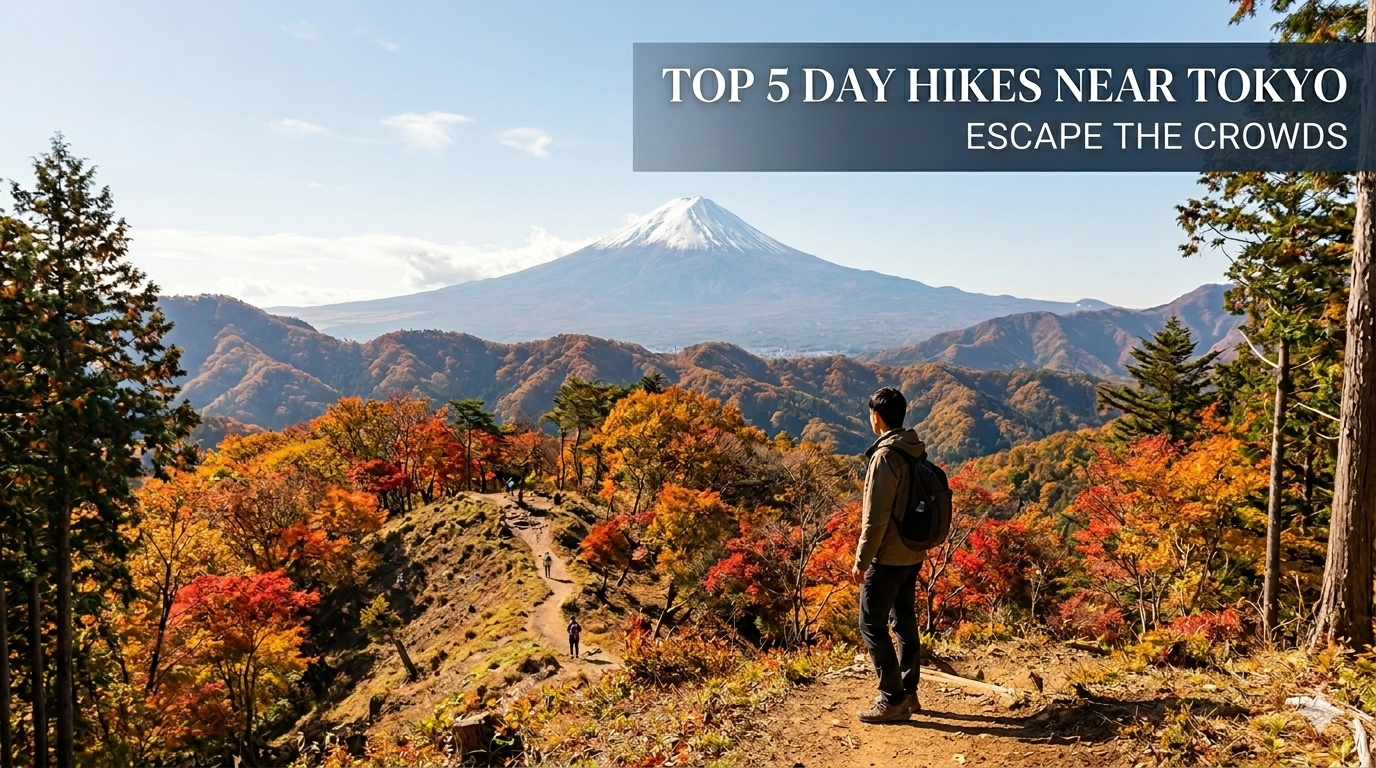
Are you tired of the neon lights and the relentless crowds of Shibuya? While Tokyo is a huge metropolis, the real “spiritual lungs” of Japan lie just an hour or two away by train. Here are our top 5 recommended day hikes from Tokyo.
1. Mount Mitake & The Rock Garden (Ome, Tokyo)
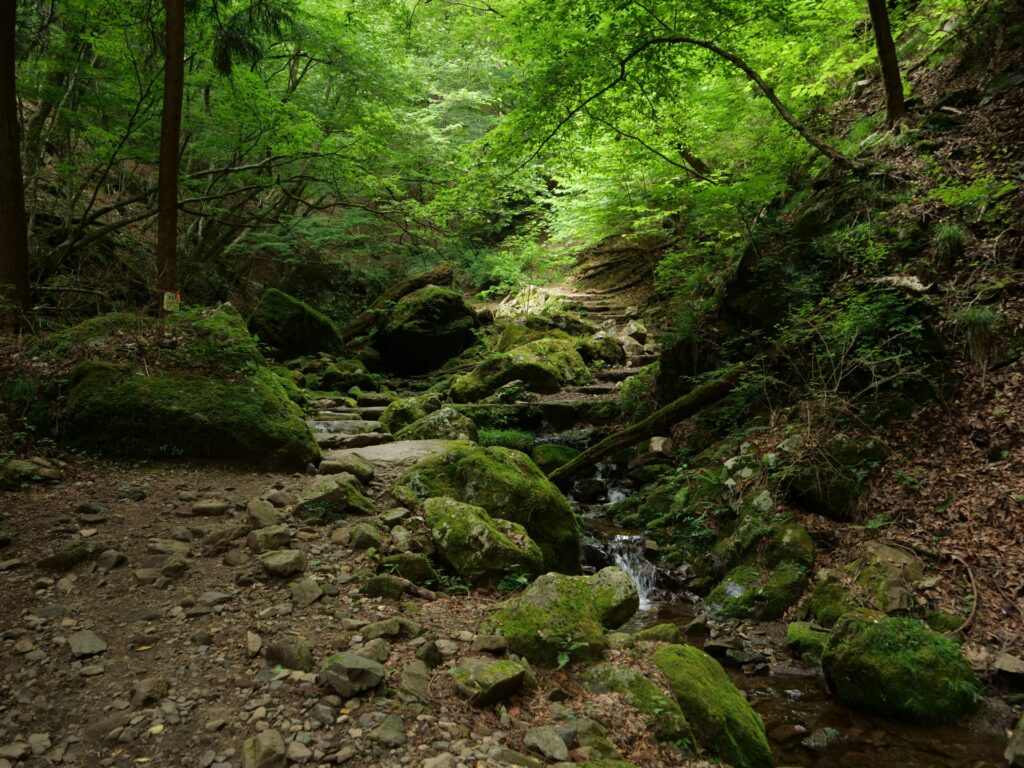
“A Spiritual Journey through Moss and Ancient Shrines”
Mount Mitake (929m) is a sacred peak that has been a center of mountain worship for centuries. Unlike typical tourist spots, the summit is home to a small village of Shukubo (pilgrim lodgings) and the ornate Musashi Mitake Shrine, where wolves are worshipped as protectors.
- The Experience: The “Rock Garden” is a 1.5km loop trail featuring moss-covered boulders, crystal-clear streams, and two hidden waterfalls (Ayahiro and Nanayo). It’s the epitome of a “healing forest.”
- Access: Take the JR Chuo Line from Shinjuku to Ome Station, then transfer to the Ome Line for Mitake Station (approx. 75-90 mins). From there, take a local bus to the Mitake-tozan Railway (Cable Car) base.
- Difficulty: ★★☆☆☆ (Moderately easy with the cable car).
Recommended Accommodations Near the Trails
Nobuhiro-ya (Pilgrim Lodging / Shukubo): Experience a traditional stay right on the mountain summit. This Shukubo offers authentic Japanese meals and a spiritual atmosphere near the shrine.
A-line (Riverside Guesthouse): Located near Mitake Station, this is perfect for those who love the sound of the river and want a more modern, social vibe.
2. Mount Oyama (Isehara, Kanagawa)
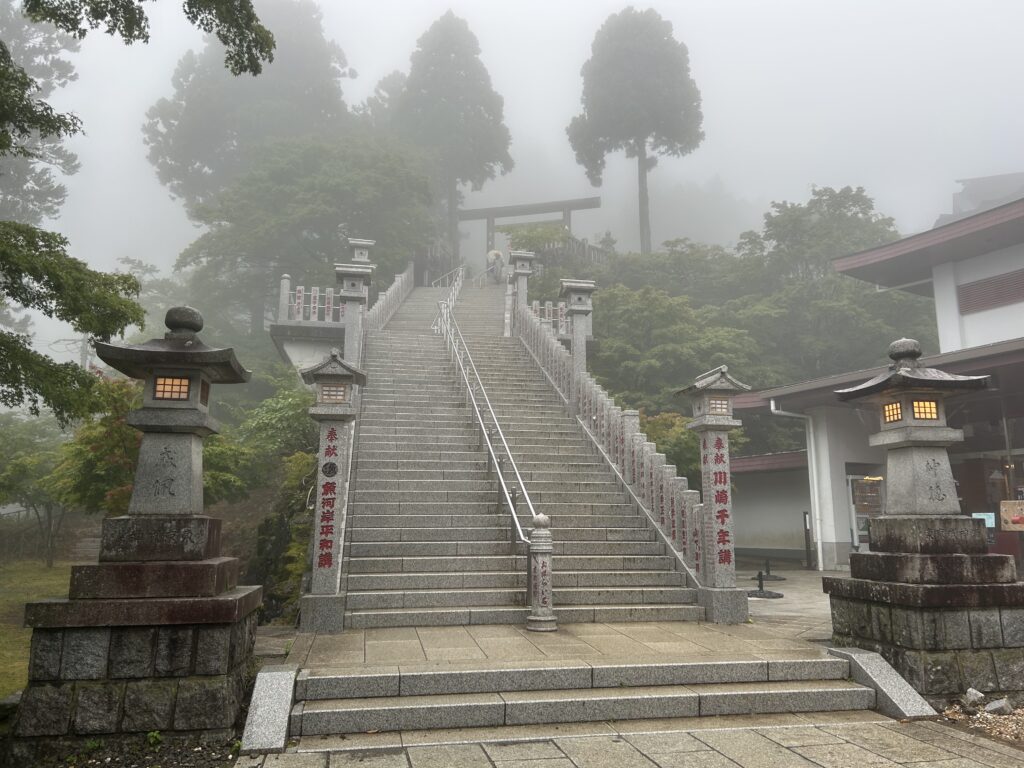
“The Peak of the Samurai Pilgrimage”
Located in the Tanzawa-Oyama Quasi-National Park, Mount Oyama (1,252m) offers one of the most culturally rich hiking experiences in Kanagawa. It was so popular during the Edo period that thousands of samurai and commoners made the “Oyama Mairi” pilgrimage annually.
- The Experience: You can visit the Afuri Shrine (Lower and Upper) and the Oyama-dera Temple, famous for its autumn colors. The view from the “Afuri Shrine Tea House” has earned a star in the Michelin Green Guide Japon. Be prepared for many stone steps!
- Access: Take the Odakyu Line (Limited Express “Romancecar” or Express) from Shinjuku to Isehara Station (approx. 60 mins). From the North Exit, take a bus to “Oyama Cable” bus stop.
- Difficulty: ★★★☆☆ (Strenuous due to many stairs).
Recommended Accommodations Near the Trails
Tsurumaki Onsen Motoyu Jinya: A historic and luxurious Ryokan famous for its healing hot springs and exquisite gardens. It’s the ultimate reward after the steep steps of Mt. Oyama.
Hotel Route-Inn Isehara: A reliable, budget-friendly option located right near the train station, perfect for an early start.
3. Mount Takao “Trail 6” (Hachioji, Tokyo)
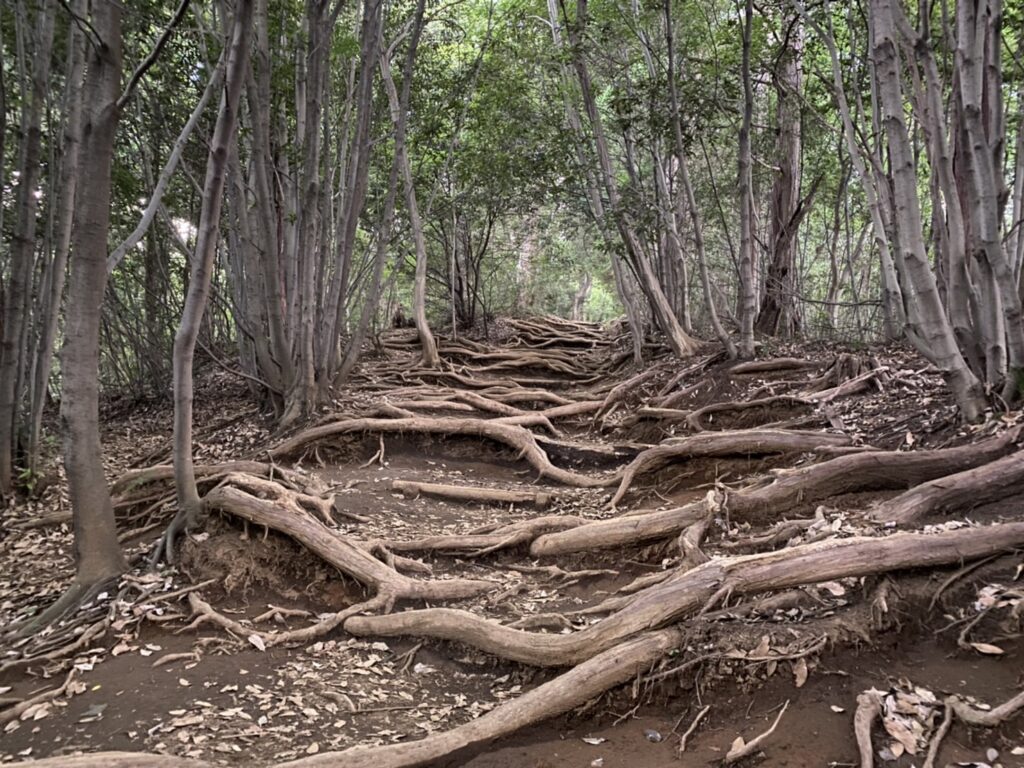
“The Quiet Path in the World’s Most Visited Mountain”
Mt. Takao is famous for being crowded, but most people take Trail 1 (paved). For an adventure vibe, Trail 6 (The Biwa Waterfall Trail) is the way to go.
- The Experience: This trail follows a narrow valley along a stream. You’ll walk on stepping stones directly through shallow water at one point. It feels like a deep mountain trek despite being so close to the city. It leads to the summit, where you can see Mt. Fuji on clear days.
- Access: Take the Keio Line (Special Express) from Shinjuku directly to Takaosanguchi Station (approx. 50 mins). Trail 6 starts a short walk from the station.
- Difficulty: ★☆☆☆☆ (Nature-heavy but manageable).
Recommended Accommodations Near the Trails
- Takaosanguchi Onsen Keio Takaosan Onsen Gokurakuyu: While not a hotel, this hot spring facility is located inside the station.
- Mt. Takao Base Camp: A stylish mountain hut-style hostel for hikers and trail runners. It has a great cafe and a welcoming community for international travelers.
4. Ten-en Hiking Course (Kamakura, Kanagawa)
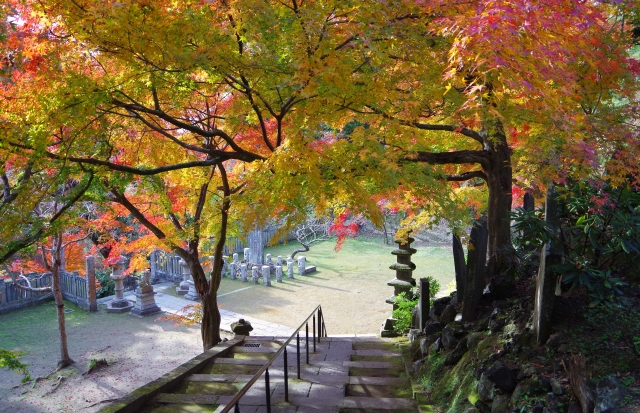
“The Kamakura Alps: Trails Between Ancient Zen Temples”
Kamakura is known as the “Kyoto of Eastern Japan.” The Ten-en course allows you to traverse the ridges surrounding the city, connecting several major temples through forest paths.
- The Experience: You will encounter Yagura (ancient cave tombs) and narrow “Kiridoshi” passes cut into the rock. The trail offers glimpses of the Sagami Bay and leads down to the famous Kencho-ji or Zuisen-ji temples. It’s the perfect mix of hiking and historical exploration.
- Access: Take the JR Shonan-Shinjuku Line or JR Yokosuka Line from Shinjuku/Tokyo to Kamakura Station (approx. 60 mins). Take a bus to “Daito-no-miya” or start walking from Kencho-ji Temple.
- Difficulty: ★★☆☆☆ (Undulating forest paths).
Recommended Accommodations Near the Trails
- Kamakura Seizan: A modern hotel that blends traditional Japanese aesthetics with contemporary comfort, located just a short walk from Kamakura Station.
- T-MARK CITY HOTEL KAMAKURA: One of the newest hotels in the area with clean, spacious rooms—perfect for resting your legs after the Ten-en trail.
5. Mount Jinba to Mount Takao Ridge Hike (Border of Tokyo/Kanagawa)
“The Ultimate Full-Day Ridge Traverse”
For those looking for a true physical challenge, this 15km traverse is the gold standard for Tokyo hikers.
- The Experience: Start at the summit of Mt. Jinba (857m), famous for its iconic white horse statue and 360-degree panoramic views. From there, you follow a long, scenic ridge through Mt. Kagenobu all the way to Mt. Takao. It’s a long day, but the sense of accomplishment is unmatched.
- Access: From Shinjuku, take the JR Chuo Line to Takao Station. From the North Exit, take a bus bound for “Jinba Kogen Shita” (approx. 30 mins). You will end the hike at Takaosanguchi Station on the Keio Line.
- Difficulty: ★★★★☆ (Long distance requiring endurance).
If there is one golden rule for hiking near Tokyo – especially for popular spots like Mount Takao or Kamakura – it is this: Go on a weekday (Monday to Friday). These trails are beloved by locals, and on weekends or public holidays, they can become as crowded as a Ginza department store.