Planning a trip to Japan almost always starts with one big question: Where should I stay?
For most first-time visitors, the default answer is Tokyo—specifically tourist hotspots like Shinjuku, Shibuya, or Ginza. While those neighborhoods are iconic, they come with crowded train stations, inflated hotel prices, and cramped rooms.
If you are looking for a smarter, more relaxed, and budget-friendly alternative without sacrificing convenience, staying in Yokohama might be your best choice.
Here is an honest breakdown comparing Tokyo and Yokohama to help you decide where to drop your bags.
1. Accommodation: Space & Value for Money
Tokyo:
Hotel prices in central Tokyo have surged in recent years. What you pay for a standard 15-square-meter room in Shinjuku could easily buy you a spacious room with a ocean view just 30 minutes away.
Yokohama:
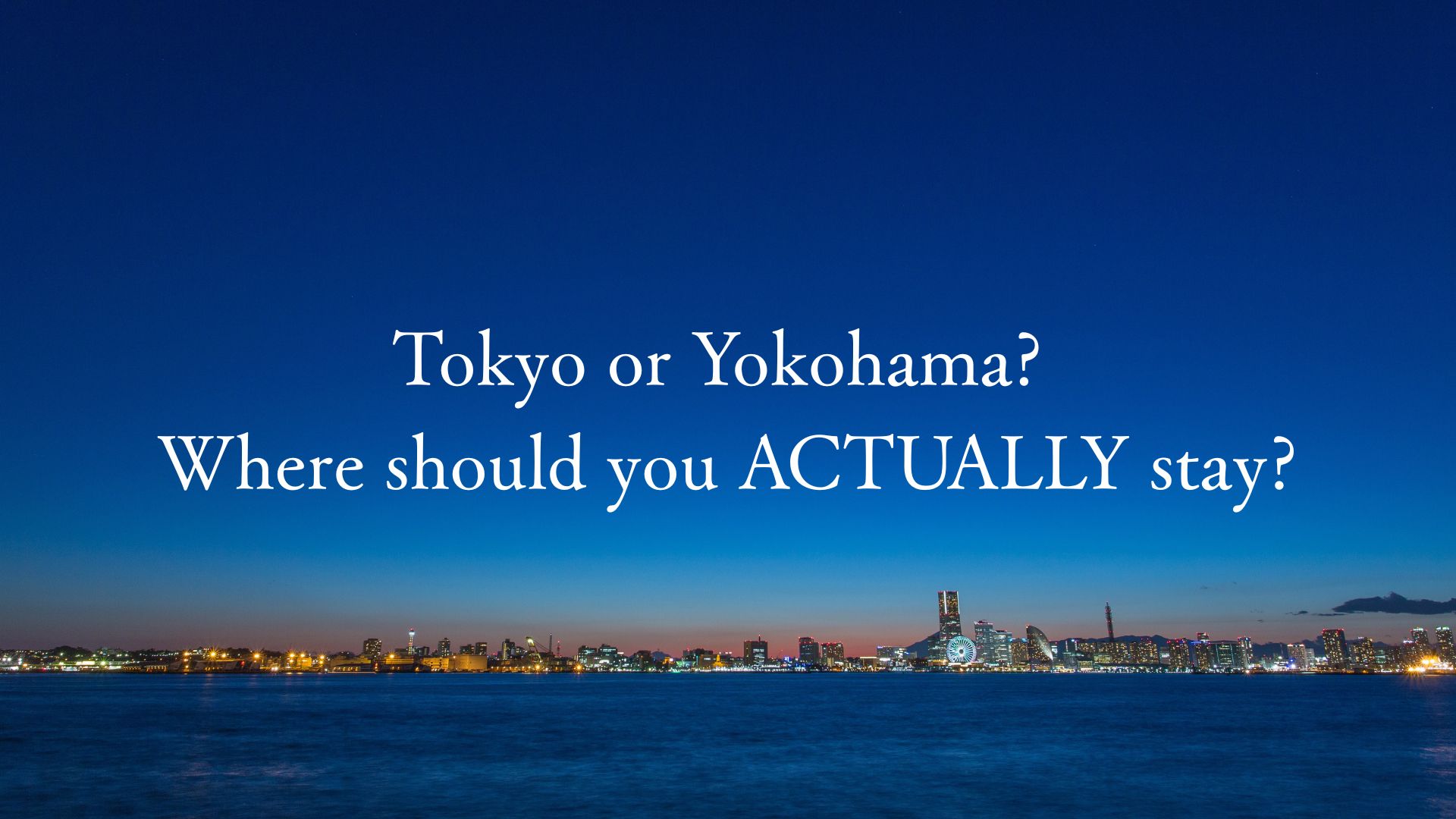
Yokohama offers significantly better value. Hotels around the Minato Mirai and Sakuragicho areas feature larger rooms, modern amenities, and breathtaking waterfront views—often at a fraction of Tokyo’s prices. If you prefer walking into a comfortable, peaceful hotel room after a long day of sightseeing, Yokohama wins hands down.
2. Accessibility: Yokohama is a Strategic Travel Hub
A common misconception is that staying in Yokohama makes traveling to other areas difficult. In reality, Yokohama Station is one of Japan’s largest transit hubs.
Here is how quickly you can reach major destinations from Yokohama:
- Shibuya & Shinjuku: 25 to 30 minutes via direct express trains (Shonan-Shinjuku Line or Toyoko Line).
- Kamakura & Enoshima: 25 minutes (perfect for a seaside day trip).
- Haneda Airport: Only 20 minutes by the Keikyu Line or airport express bus.
- Hakone & Mt. Fuji area: Direct train and bus connections make day trips seamless.
By choosing Yokohama as your base, you can easily explore Tokyo during the day while enjoying quicker access to coastal and mountain day-trip destinations.
3. Atmosphere & Nightlife: Tourist Traps vs. Authentic Local Vibes
Tokyo:
Tokyo’s nightlife is legendary, but areas like Roppongi and Kabukicho can feel overwhelming, overly commercialized, and packed with tourists.
Yokohama:
Yokohama offers a refreshing mix of seaside relaxation and rich cultural history.
- Noge District: Just across from Sakuragicho Station, Noge is an authentic retro izakaya district with over 1,000 small bars and eateries where locals unwind after work.
- Chinatown: Japan’s largest Chinatown offers incredible street food, dim sum, and vibrant alleyways.
- Minato Mirai Boardwalks: Enjoy a calm evening walk along the bay with breeze, ocean views, and iconic skyline lights.
The Final Verdict: Which Should You Choose?
Stay in Tokyo if:
- It’s your first 2–3 days in Japan and you want to be right in the middle of neon-lit madness.
- You plan to party until 5:00 AM every night in Roppongi or Shibuya.
Stay in Yokohama if:
- You want spacious, high-value hotels without paying central Tokyo prices.
- You prefer a walkable, scenic city with authentic nightlife and great food.
- You plan to take day trips to Kamakura, Hakone, or Mt. Fuji.
- You want a stress-free hub near Haneda Airport.